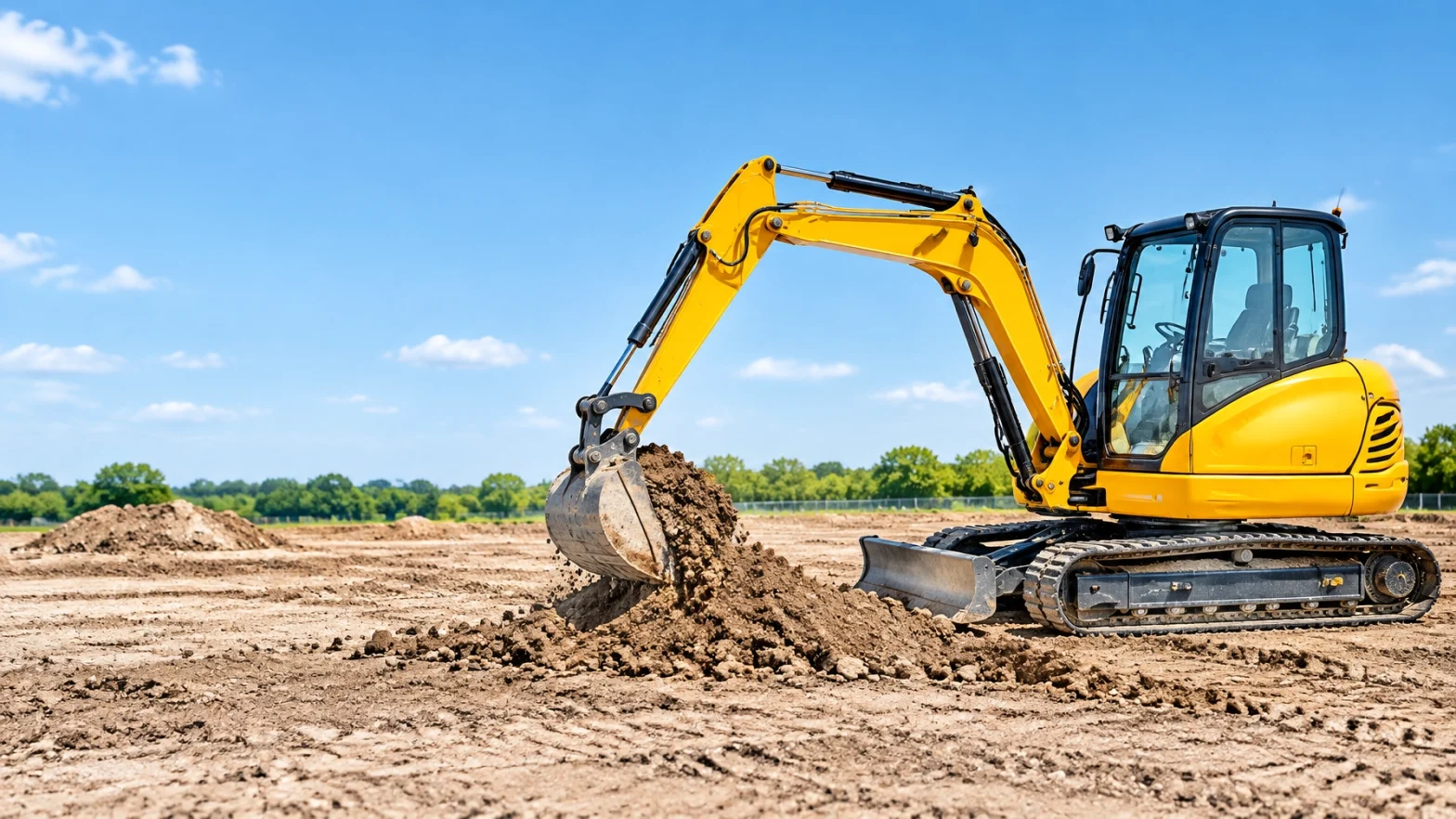
If you are planning to replace ageing equipment, expand your fleet or invest in more productive machinery, now may be a good time to assess your options.
The Government continues to support business investment through capital allowance schemes. For businesses considering plant equipment, the key schemes include:
- £1m Annual Investment Allowance (AIA)
- 100% Full Expensing for qualifying new plant and machinery purchased by limited companies
- Enhanced First-Year Allowances for other qualifying investments
For many businesses, these allowances can mean significant tax relief in the year of purchase rather than waiting years to recover the cost through depreciation. Speak with your accountant to understand how the schemes apply to your business and your planned investment.
Start with the return, not the tax relief
Tax benefits can support an investment decision, but they do not make a machine the right choice on their own.
Ask the main question first: Which machine will generate the strongest return over the next 5–10 years?
The answer depends on how the equipment fits your work, your fleet and your operating needs. A purchase that looks attractive on price may not provide the best value over its working life.
Set out what you need the machine to do. Consider the work it will handle, the demands on your operators and the role it will play in your future fleet. Then compare suitable options against the results you need.

Look beyond the purchase price
Buyers are looking beyond the purchase price and focusing on the factors that affect the machine’s value over time:
- Fuel efficiency
- Reliability and uptime
- Residual values
- Operator comfort and safety
- Total cost of ownership across the machine lifecycle
Use these points to guide your comparisons. Look at fuel efficiency alongside the amount of work you expect the machine to complete. Consider reliability and uptime in relation to the demands of your jobs. Include operator comfort and safety when assessing how the equipment will be used.
Residual values and total cost of ownership also matter when you assess the full lifecycle of a machine. A wider view helps you compare equipment on more than its initial cost.
Match the machine to the work
Your investment may be a crawler excavator, dozer, wheel loader, material handler or a large production machine. Each purchase should be assessed against the work the equipment needs to perform.
Keep the measures practical. Focus on tonnes moved, litres consumed, uptime achieved and lifecycle costs. These measures help you connect the machine choice to day-to-day operations and the return you need over the next 5–10 years.
Before you decide, define what you want the equipment to deliver. Compare the expected output and operating demands of the options you are considering. Include the needs of your wider fleet, so the new machine supports the work you plan to take on.
If you are looking at construction equipment, explore SKM Asset Finance’s construction equipment finance options.

Consider productivity and operating costs together
Rising productivity demands and higher operating costs across the industry make the performance of your equipment important. Strong capital allowances can add to the case for investing in modern, efficient machinery, but the equipment still needs to suit your business.
Compare the work a machine can complete with the resources it uses. Consider fuel efficiency, reliability and uptime together. Review operator comfort and safety as part of the equipment choice, rather than treating them as separate from productivity.
Then look at lifecycle costs alongside residual values. These factors help you make a more rounded assessment of the machine’s return. Keep the focus on what the equipment will contribute over its working life, not only on the purchase price or the tax relief available in the year of purchase.
Plan your fleet strategy for 2027
If you are evaluating your fleet strategy for 2027, start by reviewing the equipment you already operate. Identify ageing machines, capacity gaps and areas where more productive machinery could support your work.
Next, decide whether you are replacing equipment, expanding your fleet or investing in a different type of machine. Set out the role it needs to fill and the measures you will use to assess its performance. This gives you a clearer basis for comparing machinery and finance options.
The companies that invest during uncertain times are often the ones best positioned when markets strengthen. That does not mean every purchase is right for every business. It means taking time to assess the opportunity, the equipment and the funding before you commit.
Choose finance that fits the machine and your business
Once you have identified the equipment you need, consider how to fund it. The finance structure should fit both the machine and your business requirements.
SKM Asset Finance helps businesses compare options across Hire Purchase, Finance Lease and Contract Rental. Each option offers a different approach to funding an asset. Discuss your plans with a specialist asset finance broker to consider which structure fits the equipment and your business.
Read about SKM Asset Finance’s finance products and the options available for business assets.

Take advice before investing before year end
If you are considering plant investment before the year end, speak with your accountant to understand your tax position. The capital allowance schemes listed above may be relevant, but you should confirm how they apply to your circumstances and planned purchase.
Then speak with a specialist asset finance broker about structuring the funding. Bring details of the machine you are considering, what it needs to deliver and how it fits your fleet strategy for 2027. This helps you discuss the equipment and finance together.
At SKM Asset Finance, we help businesses compare Hire Purchase, Finance Lease and Contract Rental options so the finance fits the machine and the business.
To discuss a plant equipment purchase, contact SKM Asset Finance or email finance@skmassetfinance.co.uk.